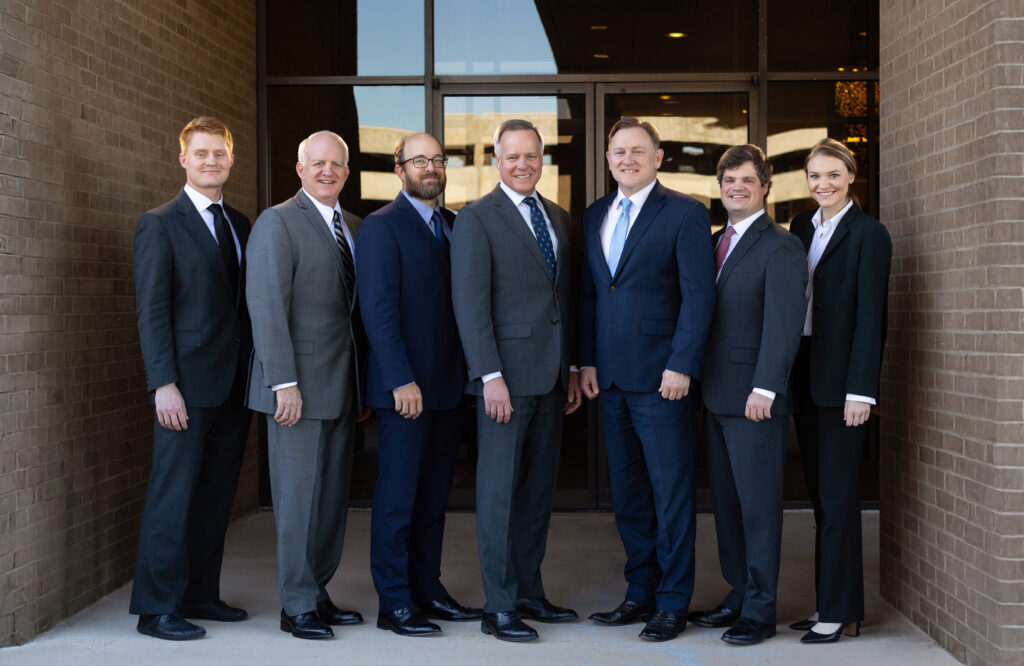
Ramey & Flock attorneys Logan Hughes and Steve Spitzer recently secured a dismissal of a case filed against their client when the court signed an order on their motion to dismiss the plaintiff’s claims under Texas Rule of Civil Procedure 91a.
What is Rule 91a?
In place since 2013, Rule 91a gives defendants in Texas state courts a way to seek early dismissal of claims that have no basis in law or in fact. A claim has no basis in law when, even if everything alleged were true, it would not entitle the plaintiff to relief. It has no basis in fact when no reasonable person could believe the facts as pleaded.
What makes the rule unique is timing. The court decides the motion based solely on the pleadings, before the parties spend months on discovery, depositions, and trial preparation.
Why it matters for clients
Being sued is stressful, even when the claims are weak. A successful Rule 91a motion can stop a baseless case early, saving a client significant time, expense, and uncertainty. It takes careful analysis and a well-prepared argument to get there.
“Not every lawsuit deserves to run its full course,” said Steve Spitzer, Managing Shareholder. “When the claims don’t have a legal basis, our job is to bring that to the court’s attention early so our client can move forward.”
This result reflects what Ramey & Flock aims to do in every case: carry the burden of litigation so clients don’t have to.
Congratulations to Logan and Steve on this result.
If you are facing a lawsuit and want to understand your options, contact Ramey & Flock to speak with an attorney.